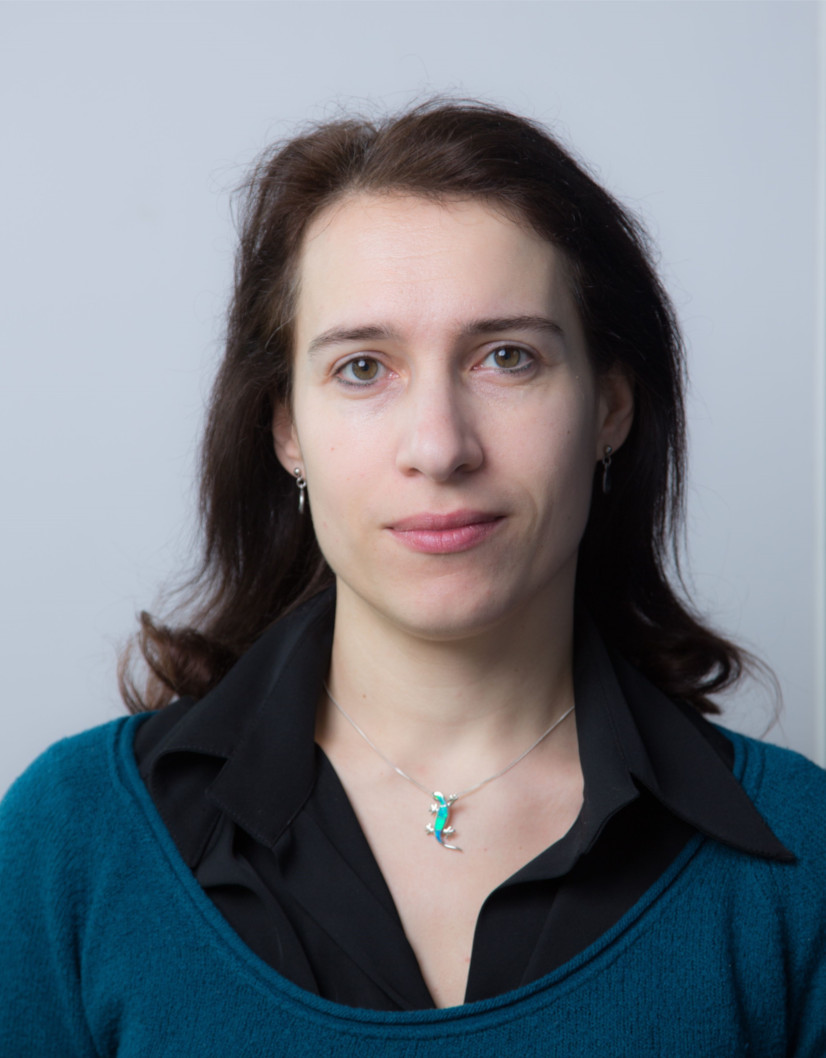
Sabina Leonelli
Sabina Leonelli holds the Chair of Philosophy and History of Science and Technology at the Technical University of Munich, where she is also Research Director of the Ethical Data Initiative , Co-Director of the Public Science Lab and Principal Investigator of the ERC Project PHIL_OS. Until 2024 Leonelli was the Director of the Exeter Centre for the Study of the Life Sciences at the University of Exeter, where she continues to hold an Honorary Professorship.
Leonelli’s research, which includes philosophical, historical and social science methods, concerns: the role of technology and data in knowledge production, and especially how computing and digitalisation efforts are transforming research and its social dynamics and roles; and the institutionalisation of Open Science as a window on the methods, epistemology and political economy of contemporary forms of scientific inquiry, particularly in the life and environmental sciences. Her work aims to foster both understanding of these processes and strategies for intervention, including policy-facing advice, advisory roles in scientific projects and educational initiatives to support low-resourced environments and enhance responsible research practices globally.
Leonelli is an alumna of the Global Young Academy and engages with a variety of initiatives in science policy and global data infrastructure. She is also Fellow of the Stazione Zoologica of Naples, Academia Europaea, Royal Socienty of Biology and Académie Internationale de Philosophie de la Science; President of the International Society for the History, Philosophy and Social Studies of Biology; Subject Editor for the Stanford Encyclopaedia of Philosophy; Associate Editor for the Harvard Data Science Review; and recipient of the Lakatos Award 2018 and the Patrick Suppes Prize for the Philosophy of Science 2022 for her work on the epistemology of data and data science.
Leonelli’s textbook ‘Data and Society: A Critical Introduction’ provides a seminal guide to critical data studies for scientists and humanists alike. Her book Philosophy of Open Science (2023) can be downloaded from Cambridge University Press in Open Access format.