News / In the Media
The next technological revolution is already knocking at the door: Quantum Technologies
Why we should act quickly now. A guest article by Urs Gasser — published in the FAZ
Quantum technologies will profoundly shape the way we live and work. From quantum computing to quantum communication to quantum sensing. The applications touch on network security, new medicines, more precise diagnostics, new materials, and better energy and logistics systems.
Unlike smartphones or language models, quantum technologies will not move into our homes as everyday devices. We will encounter them primarily in data centers, communication networks, diagnostic equipment, and financial models. Perhaps that is why, although we regularly read headlines about technological progress, we rarely discuss how to prepare for an upcoming quantum age.
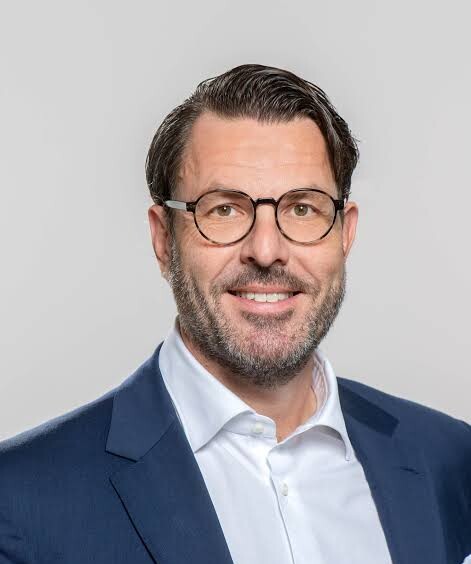
In a guest article in the F.A.Z., Urs Gasser — Principal Investigator of our Quantum Social Lab — lays out what matters in this phase. We should not repeat the mistake made with AI development: waiting to address the societal consequences only after these technologies are already embedded in global markets, business models, and infrastructures. A "ChatGPT moment" for quantum technologies could be significantly more severe — for instance, if powerful quantum computers undermine today's encryption methods, or if quantum-accelerated systems are deployed in safety-critical areas before testing procedures and expertise can keep pace.
What needs to get on the agenda now
His argument revolves around two concepts that, at first, sound anything but cutting-edge: TÜV (technical inspection authority) and Volkshochschulen (community colleges / adult education centers).
First: Testing competence. Existing quality standards must be further developed to also cover quantum components — in medical technology, in AI standards, in security norms for critical infrastructure. Anyone offering systems that incorporate quantum technologies should be required to demonstrate that they systematically manage the associated risks — before policy-makers regulate the details. Integrating that into existing standards, testing procedures, and procurement processes takes years. All the more reason to start now.
Second: Broad educational offerings. The skilled-workforce question is not only about new university chairs — it is a question of translation. Someone working in banking does not need to study quantum physics, but they do need to understand what quantum computing means for encryption and risk models. Someone procuring or regulating in public administration needs to know enough to distinguish genuine substance from empty promises. Quantum education must not remain an isolated subject.
What the Quantum Social Lab at the TUM Think Tank contributes
This is precisely the translation work the Quantum Social Lab at the TUM Think Tank is engaged in. Through the learning platform QuantWorld — developed by the Quantum Social Lab and partners, and funded by the Federal Ministry for Research, Space and Technology — modules are already available for various sectors: mobility, medicine, banking, and security. In parallel, the Lab is building the Quantum Skills Academy together with around 40 European universities.
The roadmap for Germany's Hightech Agenda in the area of quantum technologies shows that the federal government knows the direction. Now it comes down to the less spectacular prerequisites: testing procedures, standards, procurement expertise, and education. If that succeeds, the quantum age will not simply come upon us — we will have begun to understand it before it is ready for deployment, says Urs Gasser.