Kim M. Hajek
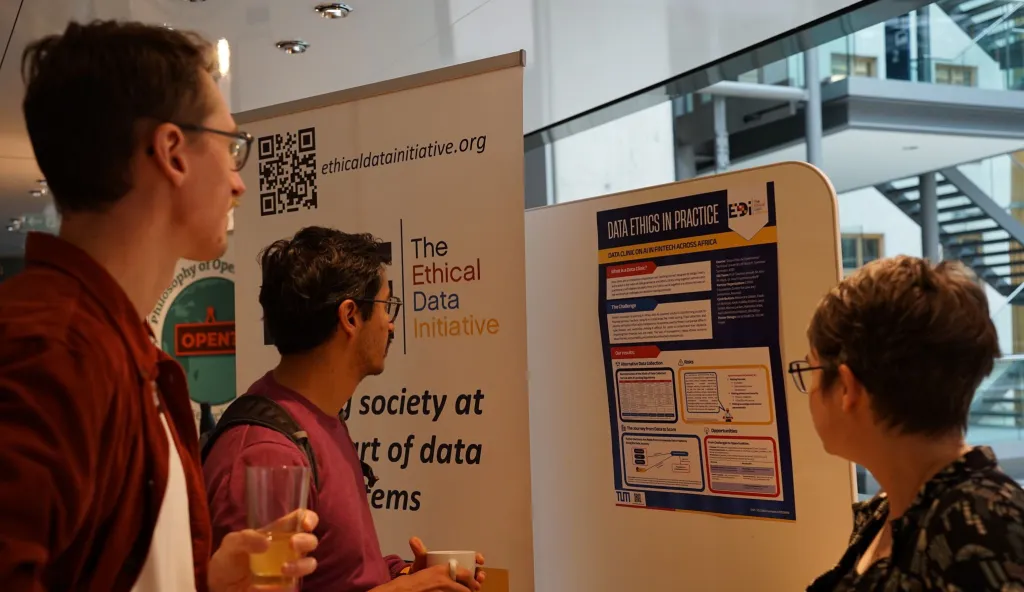
With colleagues in the EDI, Kim develops pedagogical formats and material for data ethics education, notably the EDI’s innovative “data clinics.” Clinics are an interactive, practice-oriented learning format that connects theory and practice in the realm of data governance and ethics. Students work collaboratively with a partner organisation and guest experts on real-world ethical challenges and decision-making processes.
About Kim
As well as working as EDI Education Lead, Kim is a postdoctoral researcher in the history of the human sciences. Her research integrates history, philosophy, and textual studies of science, with a focus on psychology and psychotherapy. She has worked in 5 countries across domains including history of science, French language and literature, and experimental physics, and is committed to interdisciplinarity and multilingualism in science.
Beyond the bio
-
Ask Kim about
Data ethics · data ethics education · history of science
-
Open to
Collaboration · Student supervision · Speaking
-
Worth a look
Kim recommends Cryle and Stephen’s 2017 book “Normality: A Critical Genealogy” (Chicago) for the way it opens up concepts we often take for granted, at the same time as they have a significant impact on how we think about science and society.