News / Research Journal
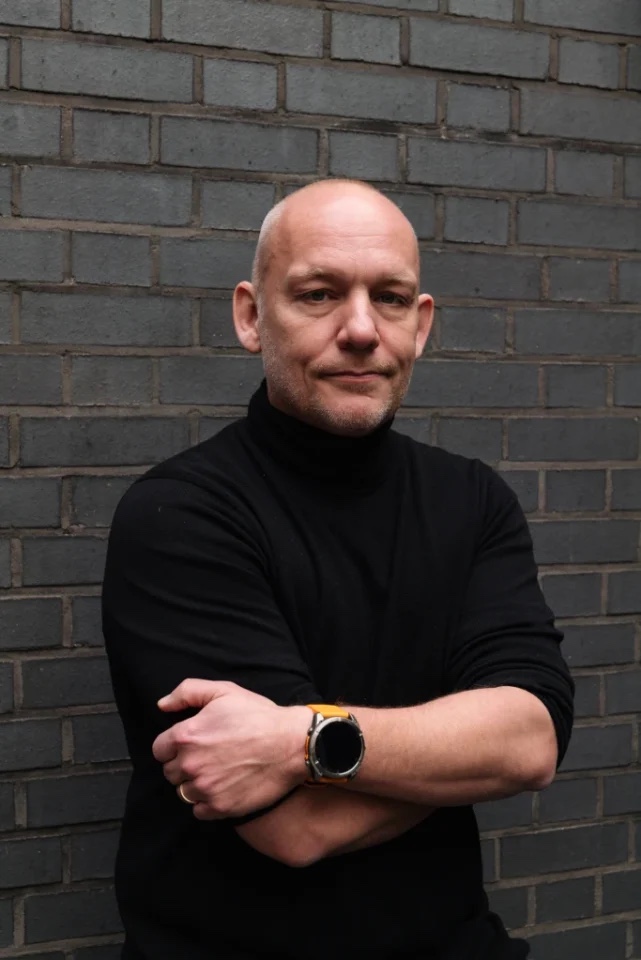
The Foresight Notes by Niklas Lundblad
This journal will be focusing on foresight and futures studies, and specifically on how we can update our methods and tools using different cognitive technologies.
The series reflects a change in the direction of the fellowship I am doing at TUM Think Tank, and I hope it will be interesting to follow!
Read all journal editions here
-
Note 1: Anticipation and prediction
How do we define the function of foresight? Here is one possible attempt: all foresight techniques and methods are cognitive tools meant to help you change your mind in meaningful and beneficial ways. If you speak about the future in general terms, observing it or just noting it you are then, strictly speaking, not engaged in foresight. This suggests that there is a difference between mere prediction and anticipation.
-
Note 2: Invariances and trends
A lot of foresight is about forecasting trends, and with trends we mean change. In all of our engagement with the future we most often begin asking “what is changing?”. The reason for this is straightforward: we want to prepare for that change, and try to understand how it will affect us, our organization and our future overall.
-
Note 3: The future of a decision
When working with foresight projects it quickly becomes apparent that what we focus on matters. Just focusing on the future in general is sometimes exciting, because it allows us to explore the broad spectrum of possibilities that tomorrow brings - but it also means that we sacrifice specific insights for broad brush perspectives.
-
Note 4: Oracles
The history of foresight provides us with interesting insights into the mechanisms and dynamics that we can use to understand our relationship to the future today, and it also gives us useful hints on how we can design new foresight methods.
-
Note 5: The importance of now!
When working with foresight, one of the key things we have to do is to not forget that foresight has to start somewhere. The roots of the future are found in the now. And now is an underexplored and somewhat undertheorized part of foresight research overall. The starting point, the set of moments that we begin with, is essential in order to really get to where we need to be. And this is true for a couple of different reasons.
Have a look at the first series of research notes on artificial agents, agency and institutions.